
Ingrown Toenails in Summer: Why Sandal Season Makes It Worse
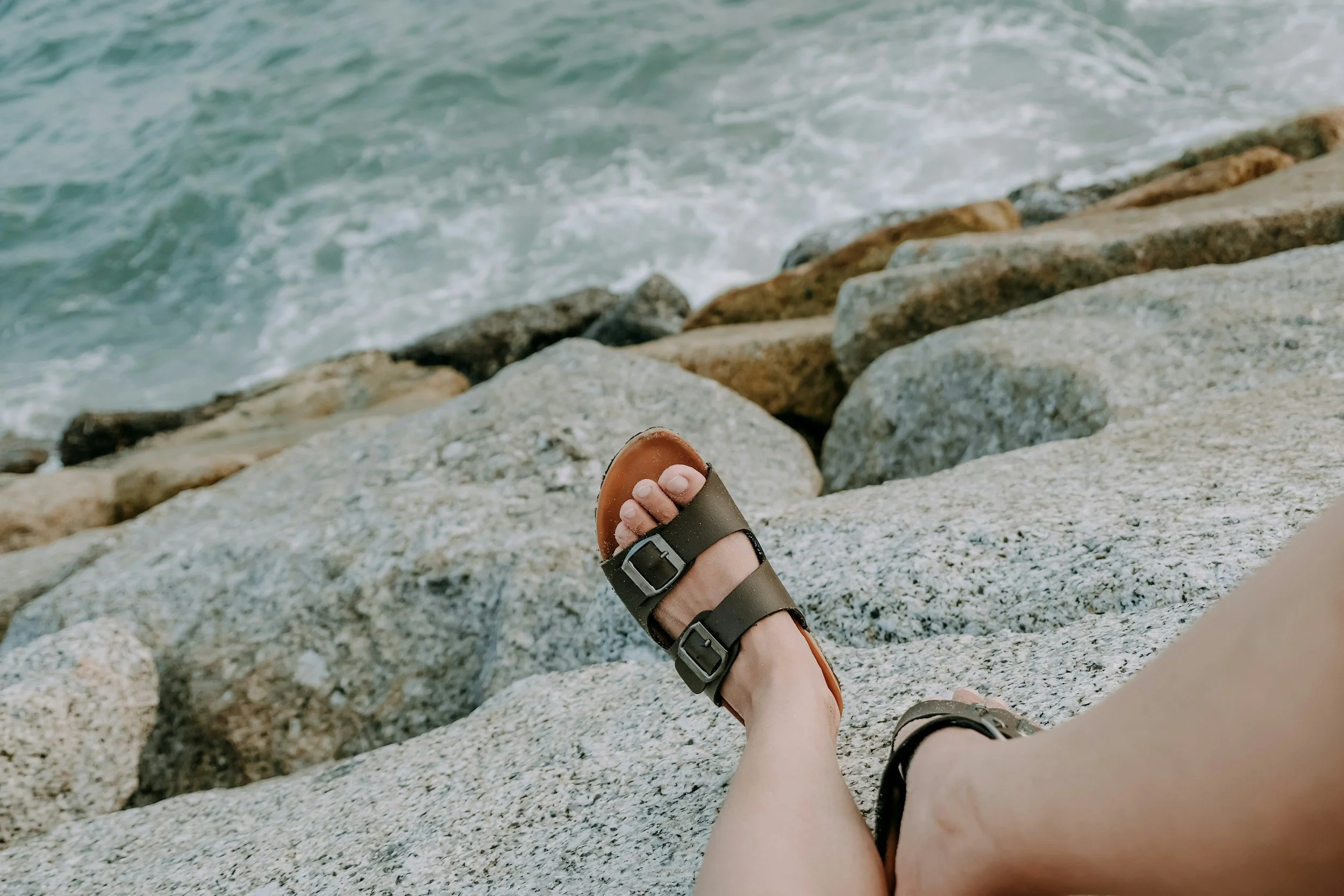
Why Ingrown Toenails Are Worse in Summer – Causes, Prevention and Self-Care
Summer is a time for holidays, sandals and spending more time outdoors. Unfortunately, it could also put you more at risk of painful ingrown toenails. Whether you're enjoying long walks on the beach, exercising more, or simply wearing different footwear, the warmer months can increase your risk of developing this common foot problem.
What is an ingrown toenail?
An ingrown toenail (onychocryptosis) occurs when the edge or corner of the nail grows into the surrounding skin instead of growing straight out. As the nail presses into the skin, it causes irritation, inflammation and pain. If left untreated, bacteria can enter the damaged skin, leading to infection.
Common symptoms include:
Pain or tenderness along one or both sides of the toenail.
Redness and swelling.
Warmth around the nail.
Discharge or pus if the area becomes infected.
Difficulty wearing shoes or walking comfortably.
The big toe is most commonly affected, but any toenail can become ingrown.
Why are ingrown toenails more common during summer?
Increased Activity
Summer often means more walking, running and holidays. Increased activity places more pressure on the toes, particularly if footwear is tight or poorly fitting.
Swollen feet
Warm weather naturally causes our feet to swell. Shoes that normally fit comfortably can become tight, increasing pressure on the nail edges and encouraging them to grow into the surrounding skin.
Sweaty feet
Heat and perspiration soften both the skin and nails. Softer skin is more easily penetrated by a sharp nail edge, increasing the risk of an ingrown toenail developing.
Unsuitable footwear
Some flip-flops, sandals and fashion shoes often provide little support or protection, while tighter summer footwear can compress the toes. Both can contribute to trauma and abnormal nail growth.
Holiday injuries
Stubbed toes, sporting injuries, and repeated knocks during summer activities can damage the nail, altering the way it grows, and increasing the likelihood of it becoming ingrown.
Self-Care Advice
If you've noticed the early signs of an ingrown toenail, prompt care may prevent it from worsening.
Soak your foot in warm salty water for 5 minutes once or twice daily to help reduce discomfort.
Dry the foot thoroughly afterwards, particularly between the toes.
Wear footwear with a wide/deep toe box to reduce pressure on the affected nail.
Avoid picking or digging down the sides of the nail, as this often makes the problem worse.
Trim nails straight across rather than cutting down the corners.
Keep your feet clean and dry.
If the area is inflamed, avoid tight socks and restrictive footwear where possible.
When Should You Seek Professional Treatment?
You should arrange an assessment with a podiatrist if:
Pain is worsening or affecting your walking.
There is redness, swelling or discharge.
The problem keeps returning.
You have diabetes, poor circulation or a condition affecting healing.
Home care is not improving symptoms after a few days.
Early treatment can often prevent infection, and avoid nail surgery. Depending on the severity, treatment may involve removing the offending nail edge or, for recurrent cases, a minor nail surgery procedure performed under local anaesthetic to provide a long-term solution.This can be done at your local Hamilton podiatry clinic.